| HOME | FARM | CHEESE | ORDERS | AWARDS | DOGS |
| SHEEP PROJECT | LINKS | CONTACT US | NEWSLETTER |
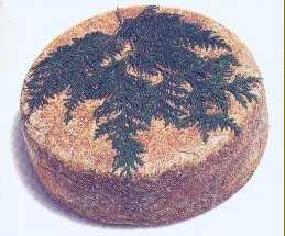
Trade Lake Cedar TM
A robust raw sheep milk cheese that is a LoveTree original! It's a natural rind cheese that is aged on boughs of cedar branches in our fresh air-aging cave. It's definitely "aromatic" with a beguiling fruity- nutty flavor that ends with a light woodsy undertone. It has an elegant silky texture and is most celebrated for it's tremendous depth of flavor..., which is the trademark of LoveTree's sheep's milk. A complex well balanced flavor with an excellent finish. Aged two and a half months and more.
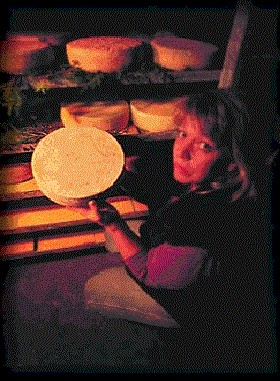
The Gabrielson Lake TM
A sweet and buttery raw cows milk cheese.... another natural rinded cheese that is a LoveTree original! The "Gabrielson" is created from the milk of a single herd of Jersey dairy cattle, that were grazing on the frost kissed sweet white clover and native grasses of the late fall. This beautiful natural rind cheese has a decadent buttery paste that gently melts on your tongue while releasing the warm nutty tone that ends with a light fruit finish. Every delicious bite will remind you of the smoky autumn breeze and the lingering smell of apples in the air. Aged three months or more.
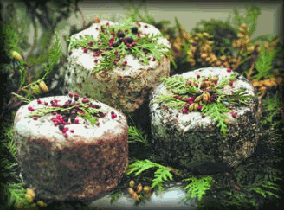
LoveTree's Little Holmes TM
Aged version:- (available as long as the nettles are available, usually until first hard frost) This is truly a north woods wake up call for your taste buds! We lightly dust the "Holmes" with peppermint flakes and then age the cheese for approximately four weeks , more or less, then wrap it in wild nettle that has been macerated in vodka! It's a GREAT cheese!
LoveTree's Black Bears TM
Holmes lightly dusted with charcoal (herb free).
The Holmes Series
Big Holmes...aged version TM
Taste the "wild" that is Wisconsin! This taste sensation is the "sister" cheese to the "Little Holmes", and like it's namesake, Big Holmes Lake, it's a breathtaking beauty! "Big" wears a coat of herbs.... rosemary, mint, and cedar...and left to age until the flavors gently emanate through every delicious morsel! This cheese also is a delight with fresh fruits, and whole grains and of course...alone.
Sumac Holmes...aged version TM
This cheese is the "Holmes" once again changing it's wardrobe to reflect the change of seasons and the taste of the north woods of Wisconsin. This "Holmes" is gently rolled in our combination of wild sumac berries and freshly ground peppercorn to bring you a wonderful light fruity essence with a peppery bite! This cheese pair's beautifully with fruits, whole grains, in salads and alone.
|
Just
a few suggestions from the myriad of possibilities for All of the cheeses are great as a dessert
when served with figs, dates, crisp They are
also lovely when eaten as a simple but elegant entre especially when paired with sweet red bell peppers, fresh slices of tomatoes and cucumbers and
good crunchy french bread drizzled with olive oil. A true cheese addict's midnight snack is a piece of lightly toasted whole grain cinnamon raisin bread topped with a slice of gently melted
Trade Lake Cedar,
true cheese nirvana! The Holmes Series on thick, chewey whole grain bread is also a simple but delicious delight. Of course, the cheeses are also stunning by themselves. It is generaly recommended to not serve a sourdough bread with such flavorful cheeses, sourdough bread is best paired with cheeses such as Monterey Jack, Mozzarella, and Colby style. A few suggestions on wine
and alternative beverages: Ca Chardonnay, * Ca Syrah, Pinot Noir, *Ca Zinfandel, *Cabernet Sauvignon, White Burgandy, a good French Sauterne, Port, Champagne, Hard Apple Cider, ** lager beer, **ale,
non alcoholic Swedish Sparkling Cider, Earl Grey Tea For a truly regional treat, White Winter Meads pair exceptionally well
with our cheeses...some of my favorite pairings are: Cyser and Traditional Mead
with the
Holmes series, Gabrielson Lake, and Trade Lake Cedar, Rasberry Melomel
with Trade Lake Cedar,
and the Brackett with the Gabrielson Lake *pairs exceptionally well
with the more robust Trade Lake Cedar ** save this one for the
Gabrielson Lake and pumpernickel bread... mmmmyum! Earl Grey Tea makes for
great
non alcoholic companion to your Care and storage of the cheese: (more than you ever wanted to know) The key to prolonging the
"life " of your cheese and enjoying it's
ultimate
flavor potential is found
in the proper care and storage of the cheese. Cheese needs to breathe but not dry out.
We never wrap our cheese in plastic wrap because
sometimes the cheese will then become slimy and smell "off". When
that happens the best thing to do is to
discard the cheese. Defrost refrigerators have evaporators that pull the humidity out of the air which prompts the cheese to dry out
too quickly I prefer to wrap the Trade Lake Cedar and Gabrielson Lake in white freezer wrap paper or wax paper...nice and snug just as a butcher would wrap a package of meat. I
then place the cheese in the vegetable bin of the refrigerator which has a bit higher humidity level and will help to keep the cheese from drying out. A 1/4 wheel of Trade Lake Cedar or Gabrielson Lake
kept in this manner will continue to age. The
Holmes Series are
very different cheese than the hardy Trade Lake Cedar or Gabrielson Lake...they are softer with much more mold activity which has different needs than a rustic rinded cheese. For the Holmes,
I will wrap them in wax paper and also place in the vegatable compartment of the fridge, but I will not wrap the cheese as snug as the Trade Lake Cedar. I dont want the cheese to get too moist
which will then make the rind damp and gooey and sets
the stage for "off ' flavors and quite possibly a ruined cheese. Another way to handle the Holmes is to place them unwrapped inside of a doubled brown paper bag in the fridge. This allows for air movement for the cheese and helps to retain the humidity and air movement
that the cheese loves. If you find that mold has started to appear on the Trade Lake Cedar or the Gabrielson Lake ( on the cut side of the cheese) do NOT discard the cheese.. You can do a couple of different things to eliminate the mold: First, take a paper towel and lightly dampen it in apple cider vinegar and gently blot the mold, this should kill the invasive mold. You may also lightly scrape
the surface to remove the mold, but I just hate to waste any cheese. Or ..you can taste it to see if you like it. If you do , then eat it. ( ahh a true cheese monger!) You do not want to use vinegar on
a soft cheese such as the "Holmes Series" because it will absorb the vinegar, so either gently
scrape it away, or... eat it. If the Holmes
cheese start to look "furry", that is just the mold saying that it likes the environment and that you are doing a splendid job of aging it. Occassionally gently pat the mold down
Enjoy the cheese...life is short, Mary
|